-
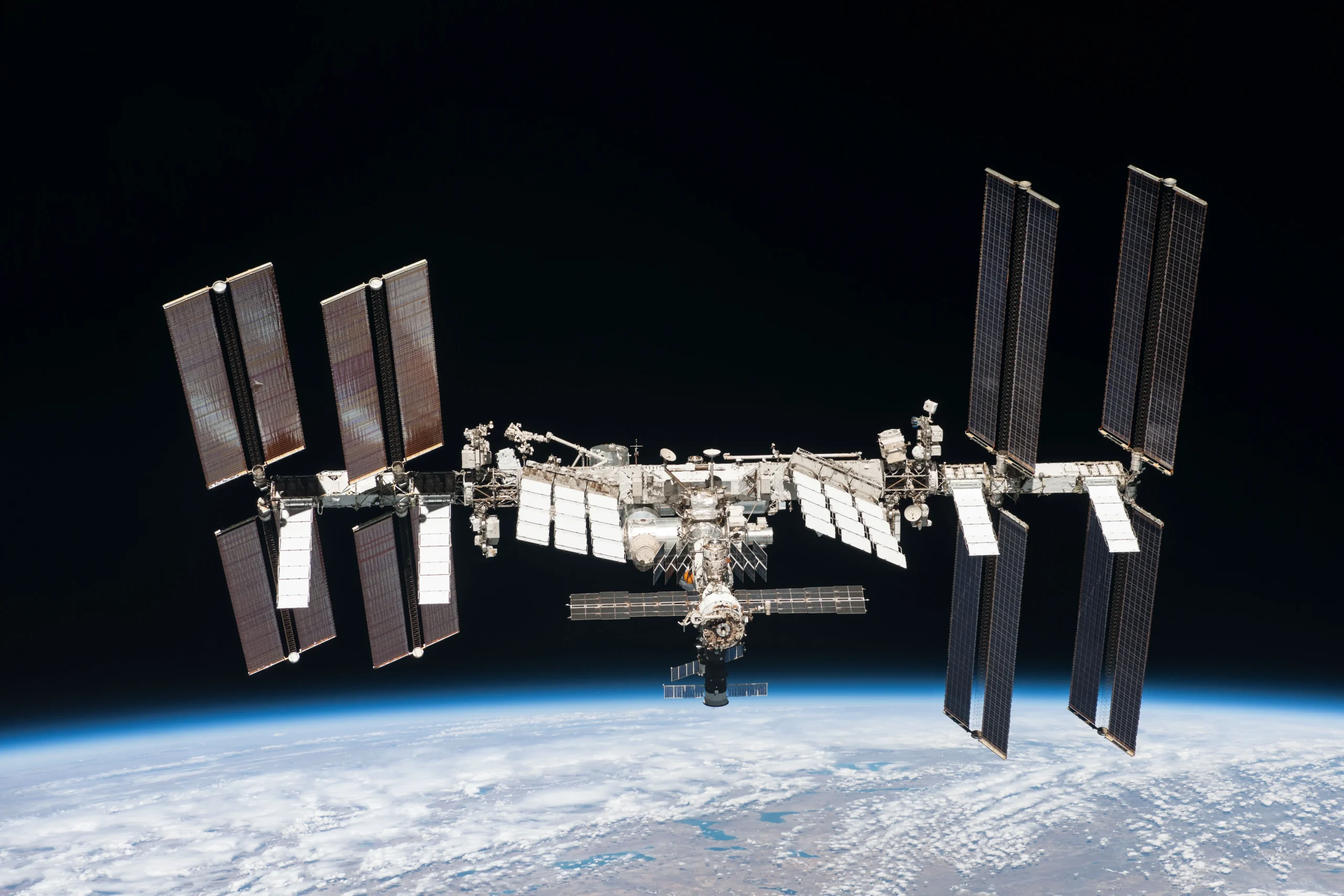
Why Doesn’t the International Space Station Fall to Earth?
The surprising answer: it is falling. The International Space Station orbits roughly 400 km above Earth. At that height, gravity is still pulling on it. So why doesn’t the ISS simply fall out of the sky? Because it is moving sideways incredibly fast—about 28,000 km/h. And that creates one of…
-
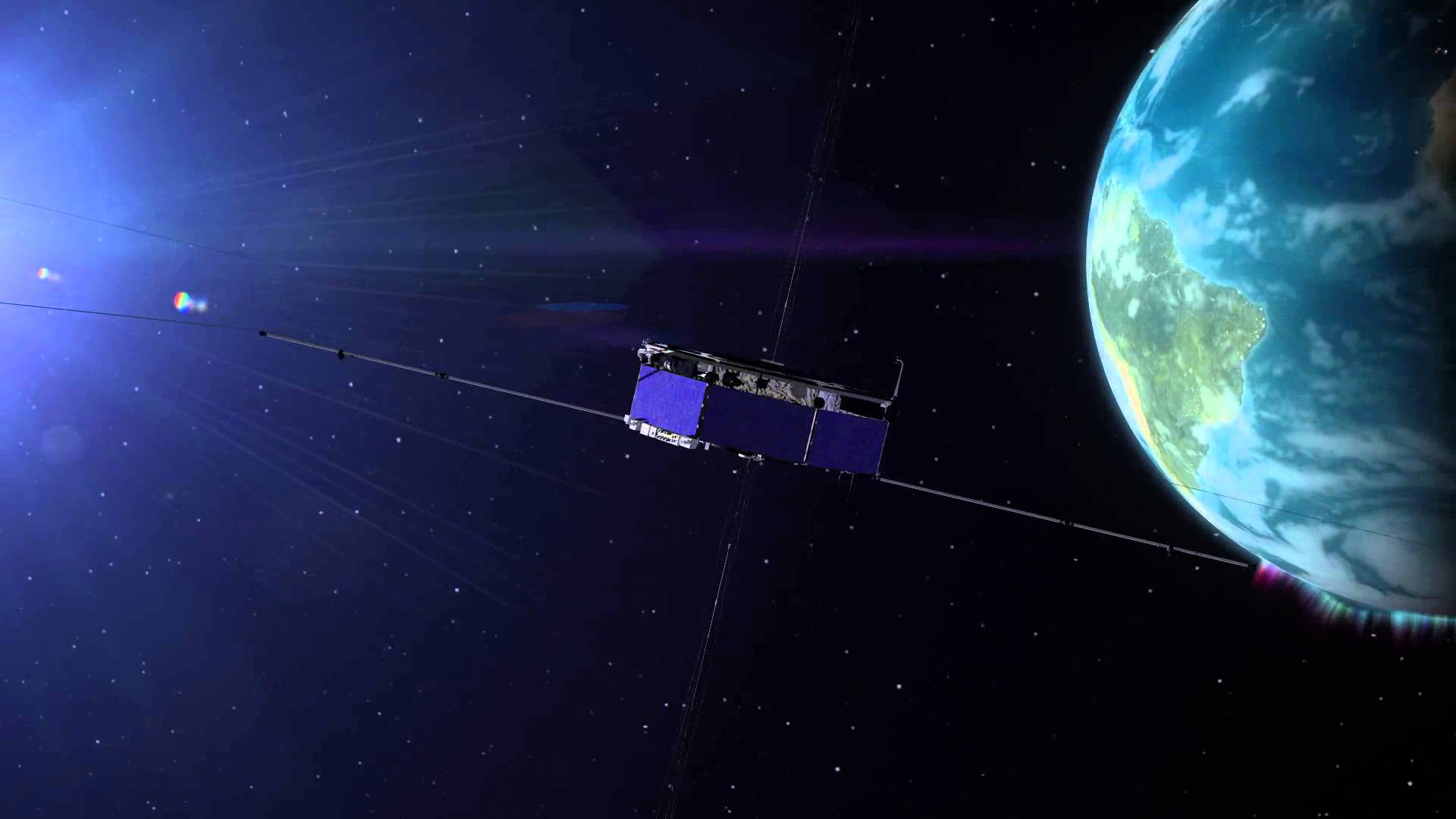
How Does GPS Know Where You Are?
01 — START WITH THE SATELLITES GPS uses a network of satellites orbiting Earth. Each satellite continuously broadcasts a signal containing information about: Where it is?What time the signal was sent? That signal travels through space at the speed of light. Your phone simply listens. 02 — TIME BECOMES DISTANCE…
-

PALE BLUE DOT
The Pale Blue Dot is a photograph of Earth taken Feb. 14, 1990, by NASA’s Voyager 1 at a distance of 3.7 billion miles (6 billion kilometers) from the Sun. The image inspired the title of scientist Carl Sagan’s book, “Pale Blue Dot: A Vision of the Human Future in…
-
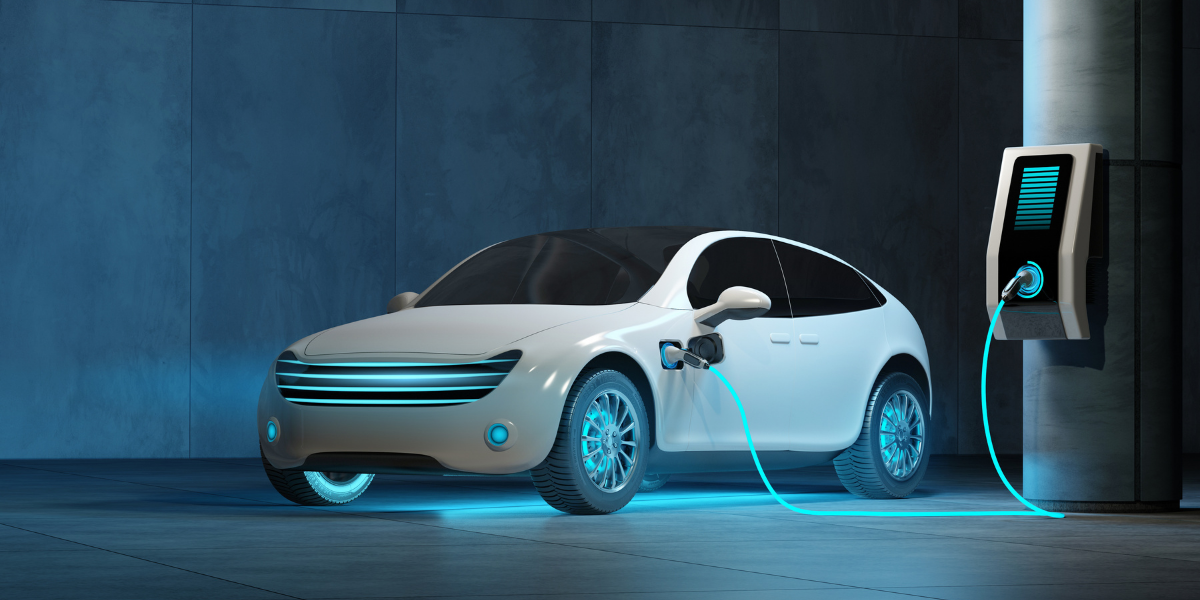
Why Do Electric Cars Accelerate So Quickly?
The simple answer: instant torque. You press the accelerator and an electric car responds almost immediately. Unlike a petrol engine, an electric motor can produce strong torque from very low speeds. 1] How does that power reach the road? Battery → Inverter → Electric Motor → Wheels The battery supplies…
-

AIRBORNE
How Does Something So Heavy as an Airplane Fly? Four forces. One incredible balancing act. An aircraft can weigh hundreds of tonnes, yet it can lift off the runway, climb into the sky and cross an ocean. So what keeps it up there? It comes down to four forces: LIFT…
-
Why We Look Up?
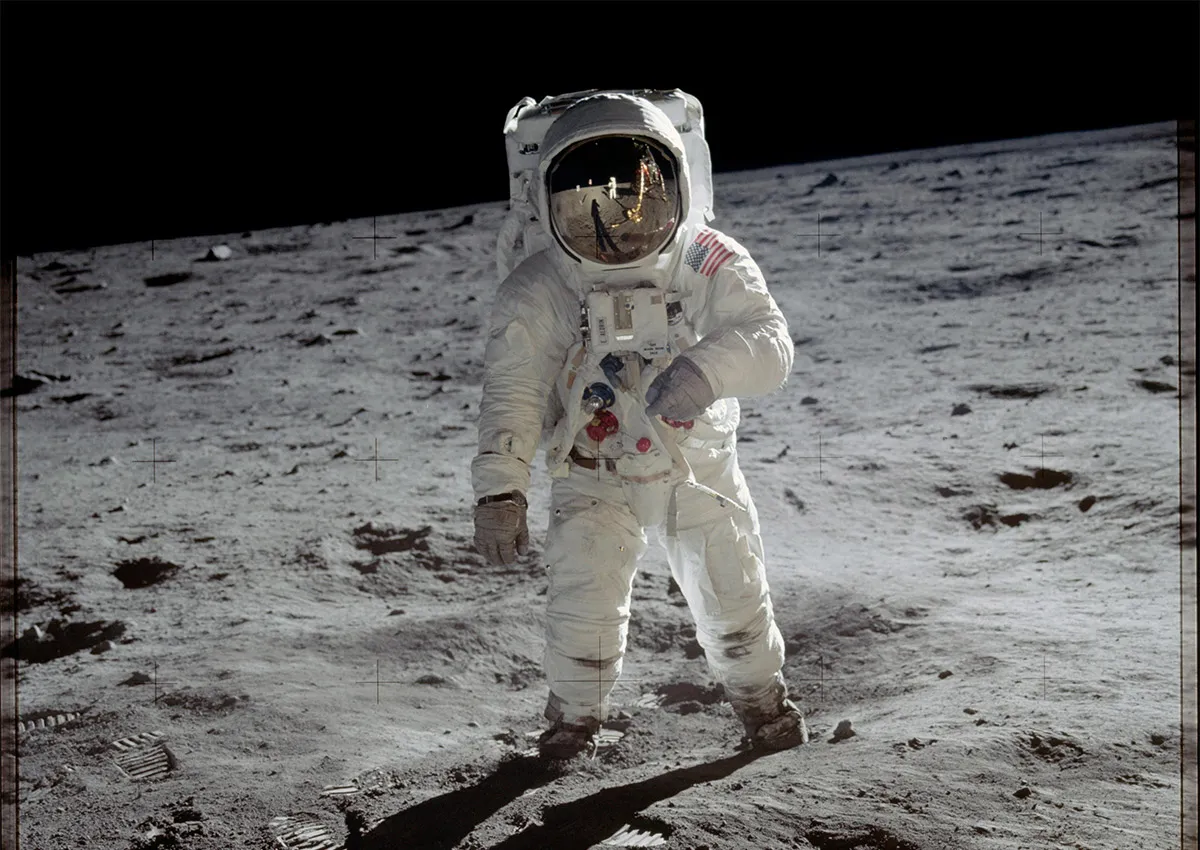
Apollo 11 astronaut Buzz Aldrin on the Moon. Look for Neil Armstrong reflected in Aldrin’s visor. During the following three-and-a-half years, 10 astronauts followed in their footsteps.Image Credit: NASA The human story behind our journey to space We have always looked up. Long before rockets, satellites and space telescopes, humans…